
Martina Ibáñez-Baldor
Communities want their stories told by insiders, reflecting the experiences and perspectives only they can provide.
Martina Ibáñez-Baldor, Deputy Design Director at the Los Angeles Times, discusses her work on De Los, representing the diverse Latino community through visual storytelling, the principles guiding her approach, and how she balances long-form editorial design with fast-paced, creator-driven social formats.
Interview by Thomas Weyres
Illustration by Jindrich Novotny
I first met Martina Ibáñez-Baldor in New York in 2023, when we both served as jurors for the Society for News Design at The New York Times.
Martina is Deputy Design Director for Latino Initiatives at the Los Angeles Times, where she leads the visual strategy for De Los, a platform dedicated to exploring Latino culture and identity. She also oversees creator content, directing a team of journalists specializing in social video storytelling. Her work sits at the intersection of editorial design, cultural representation, and digital audience engagement.
De Los has become an important platform for exploring Latino culture and identity through visual storytelling. When you’re shaping the look and feel of a story, what principles guide you in representing such a diverse and multifaceted community?
When I was creating the look and feel for De Los, one of the core principles was grounding the visual language in real research. We spent a lot of time looking at the history of Latino art in Los Angeles — murals, graffiti, signage, community archives, and the visual markers that have shaped the city. I’m also constantly observing what’s around us now, because Latino identity isn’t static; it’s always evolving.
We were also very aware of how easy it is to lean on stereotypical tropes when representing Latino culture. So we were intentional about honoring our past without recreating clichés and trying to create a look that felt modern and new.
101 Latino-owned businesses and organizations to experience the best of Latino L.A.
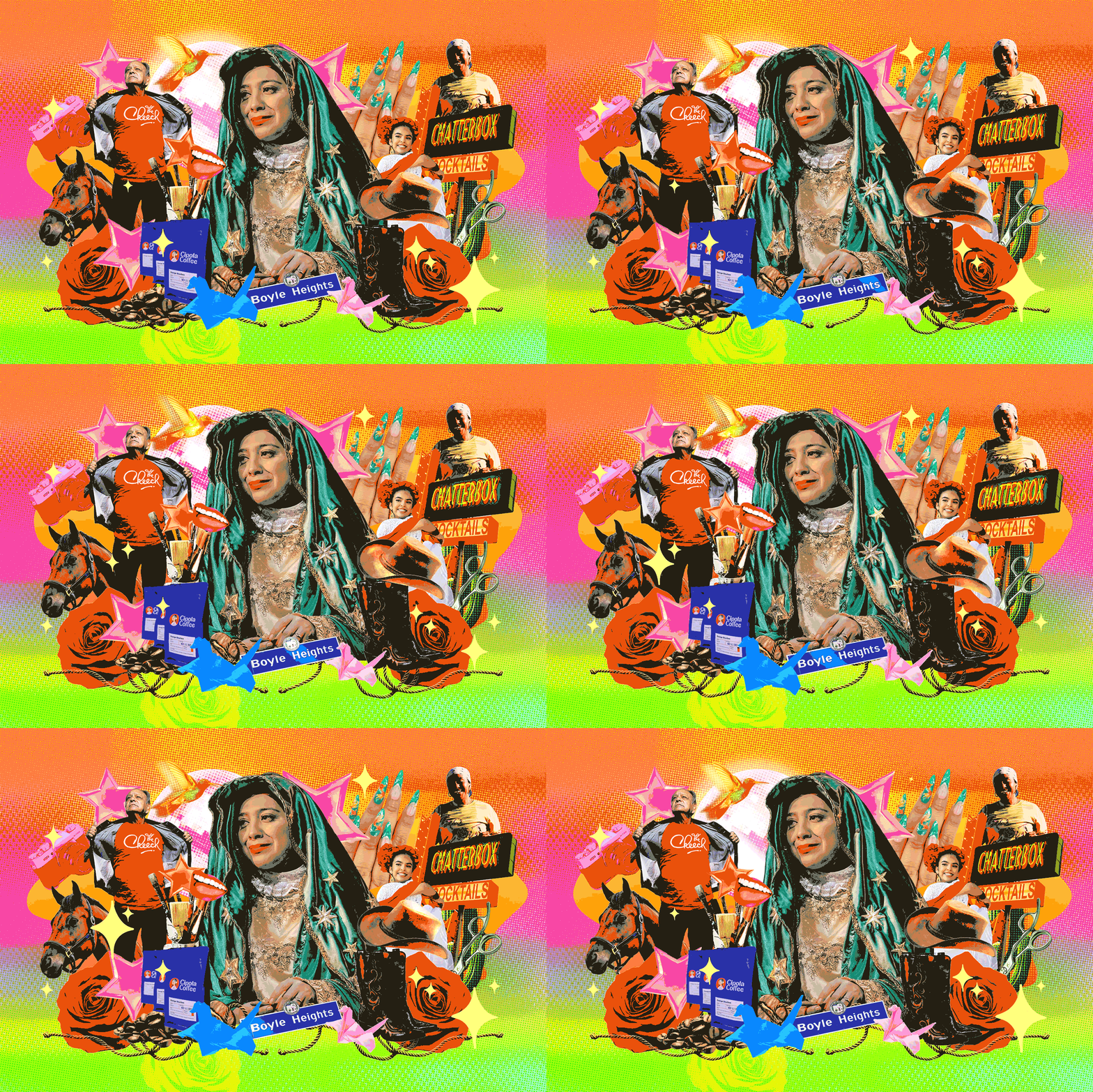
De Los 101 Instagram templates:
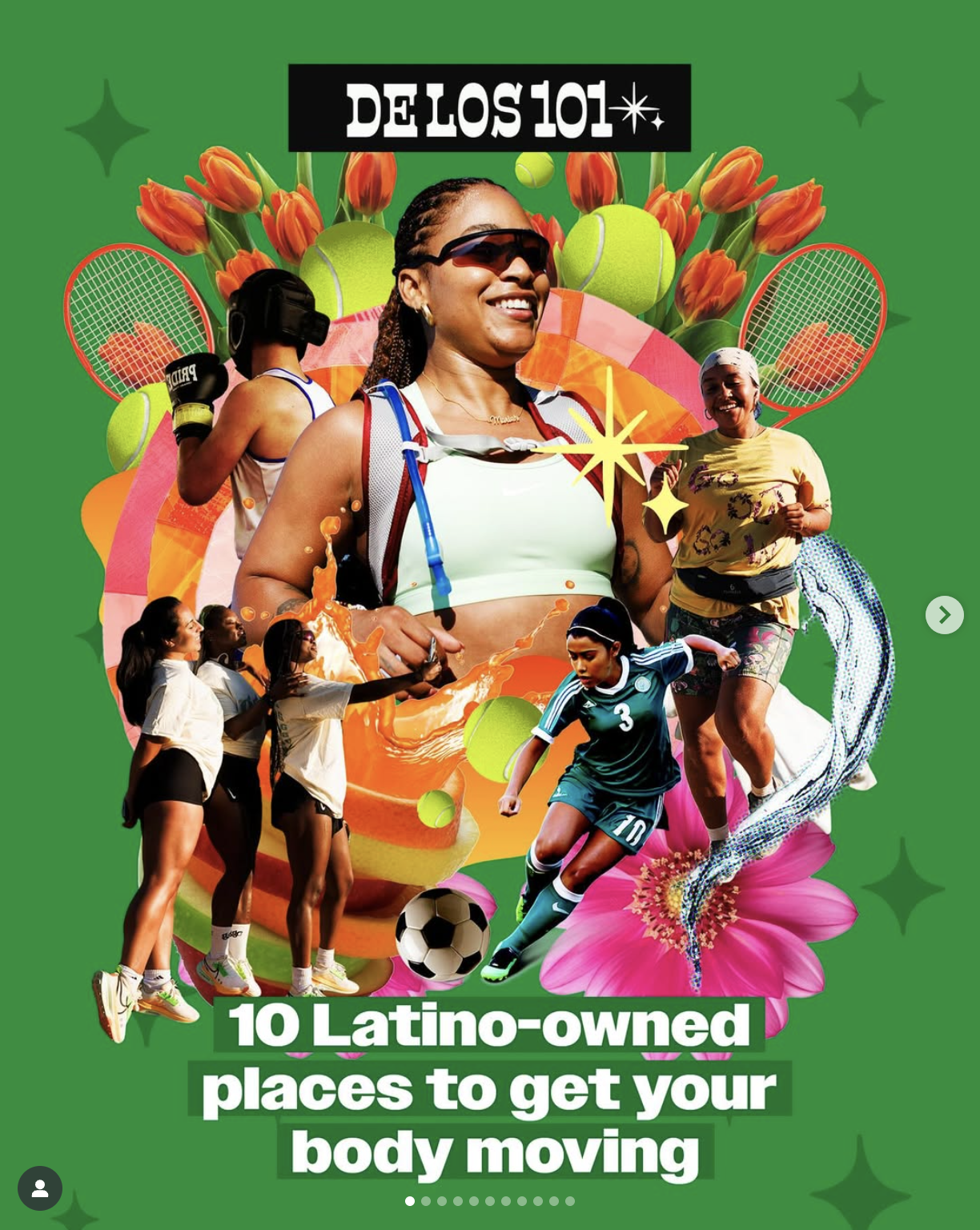
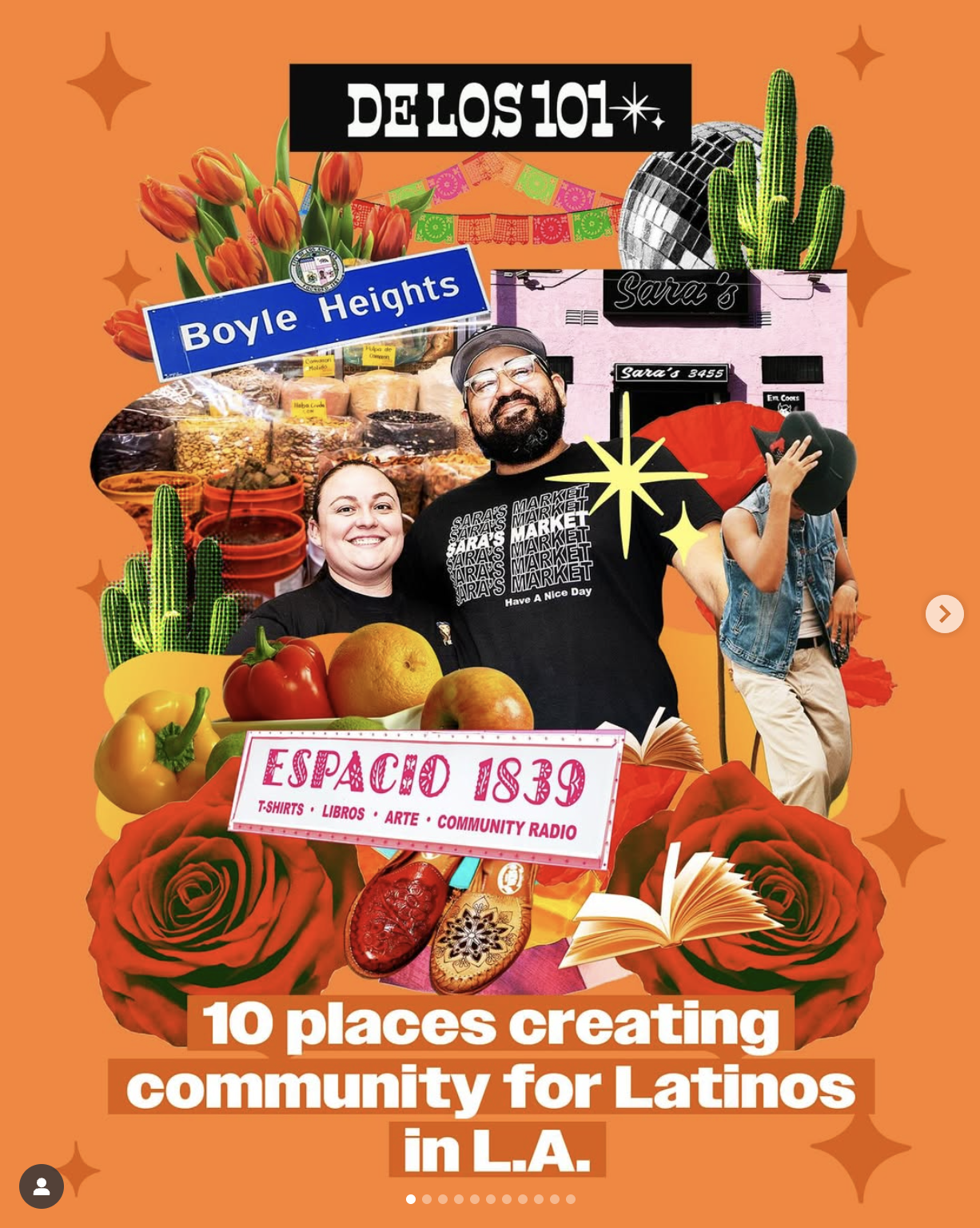
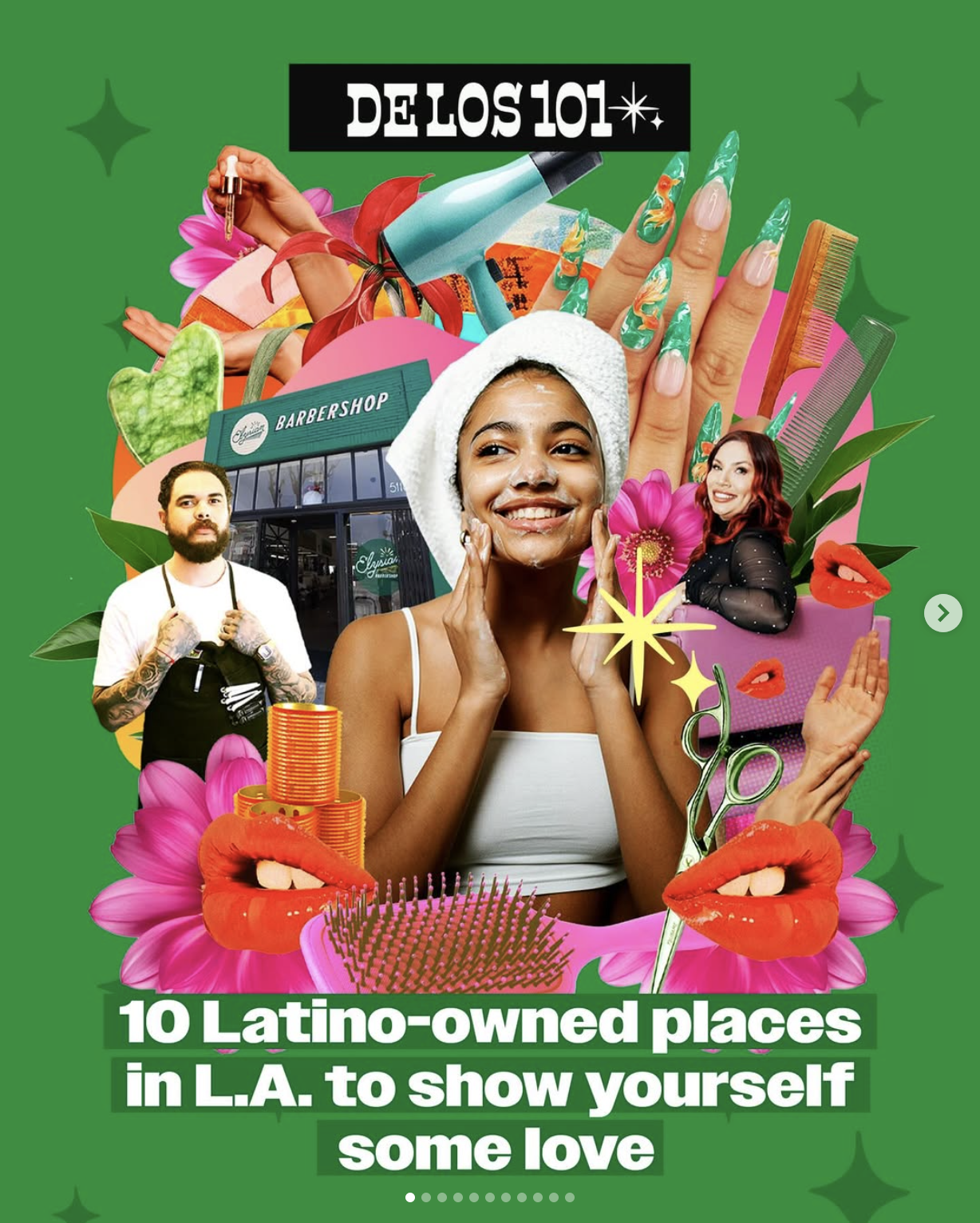
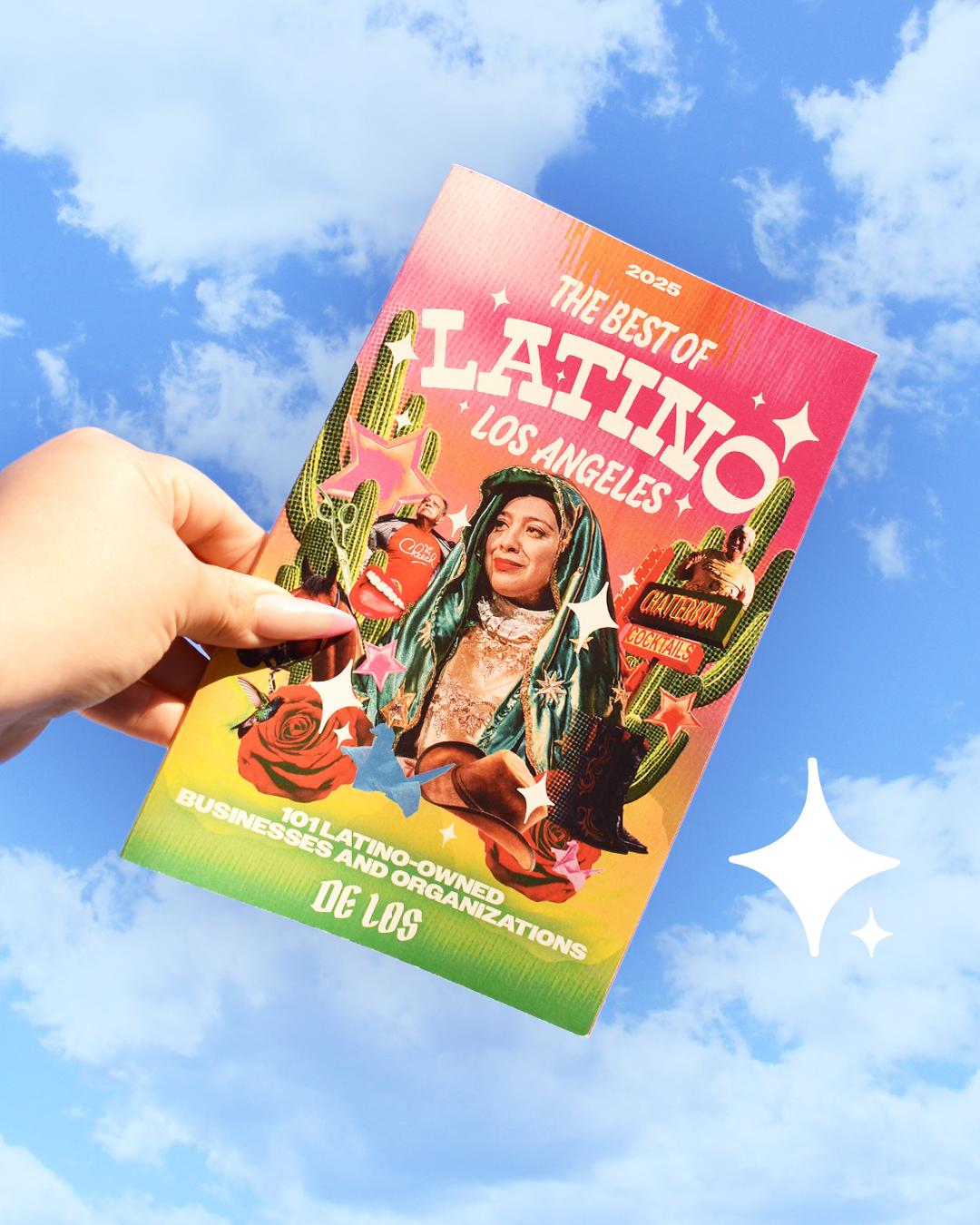
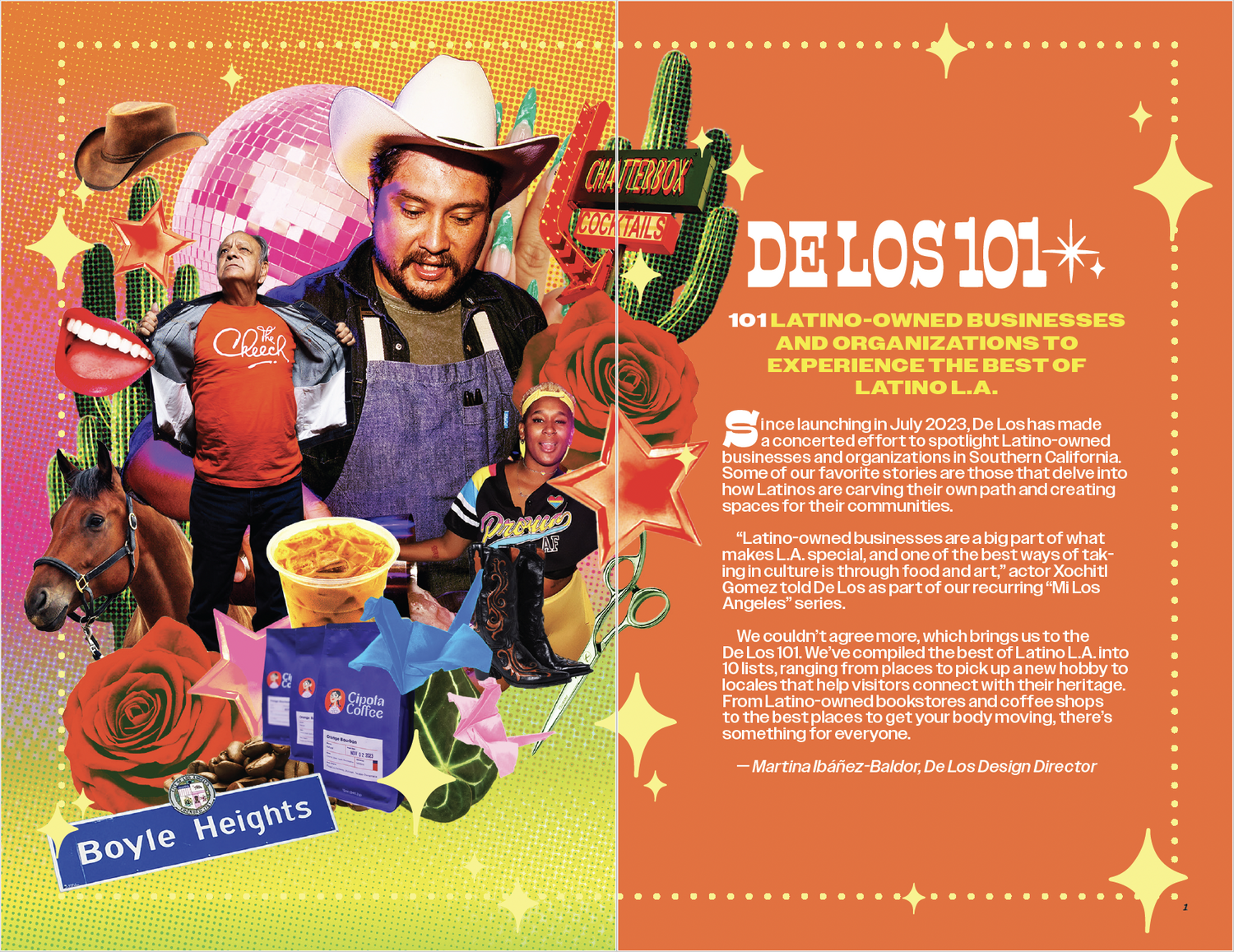
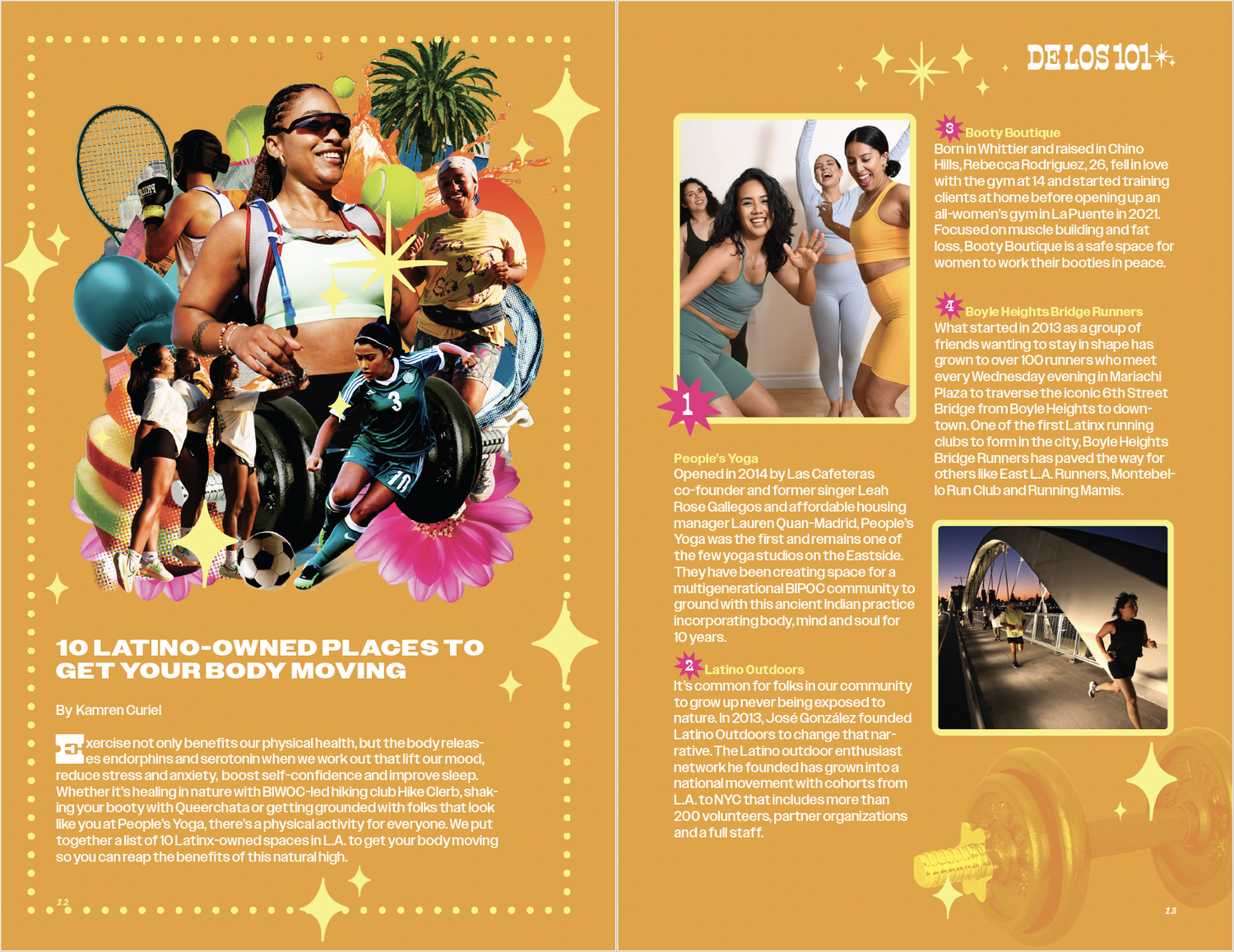
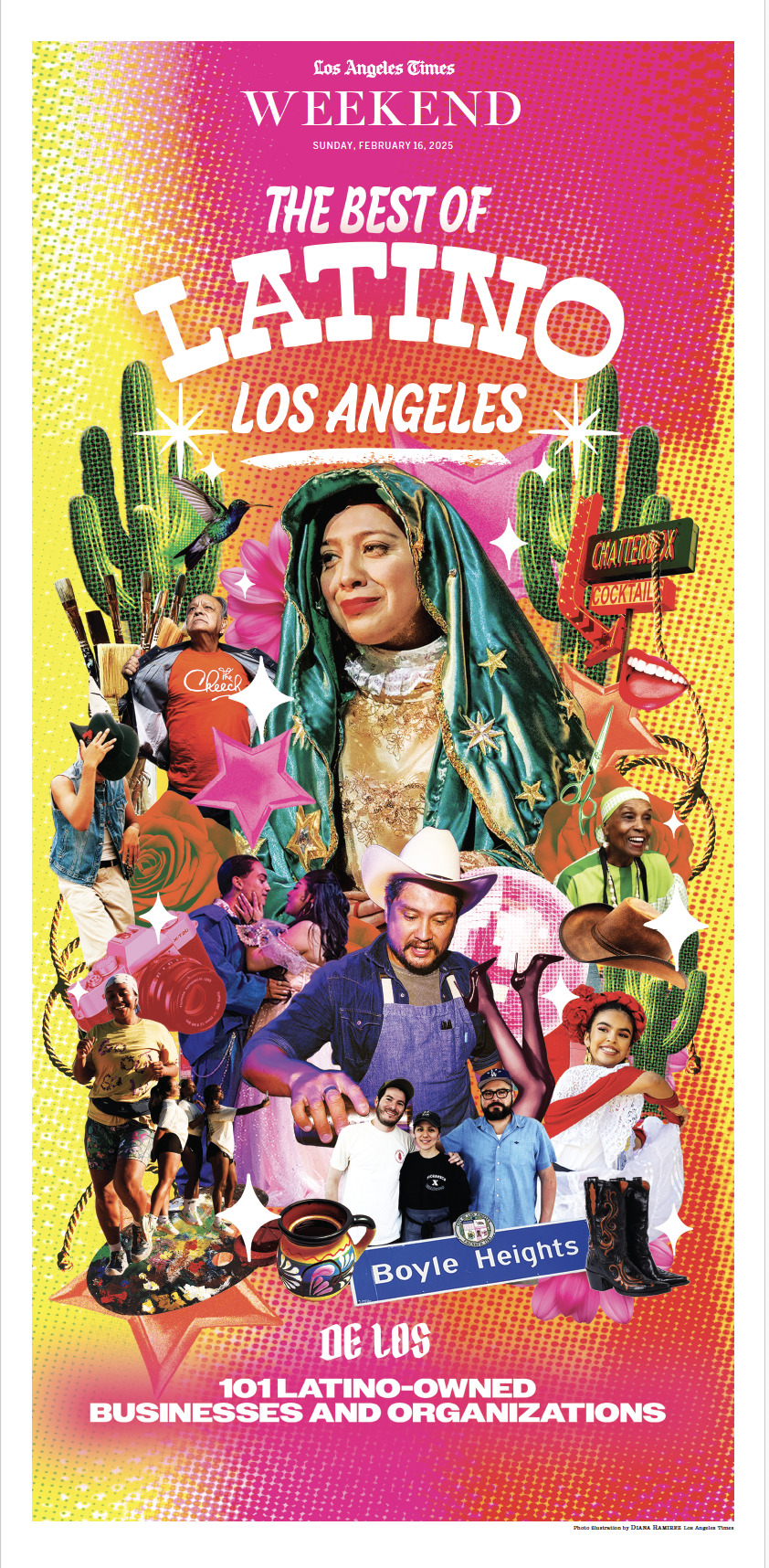
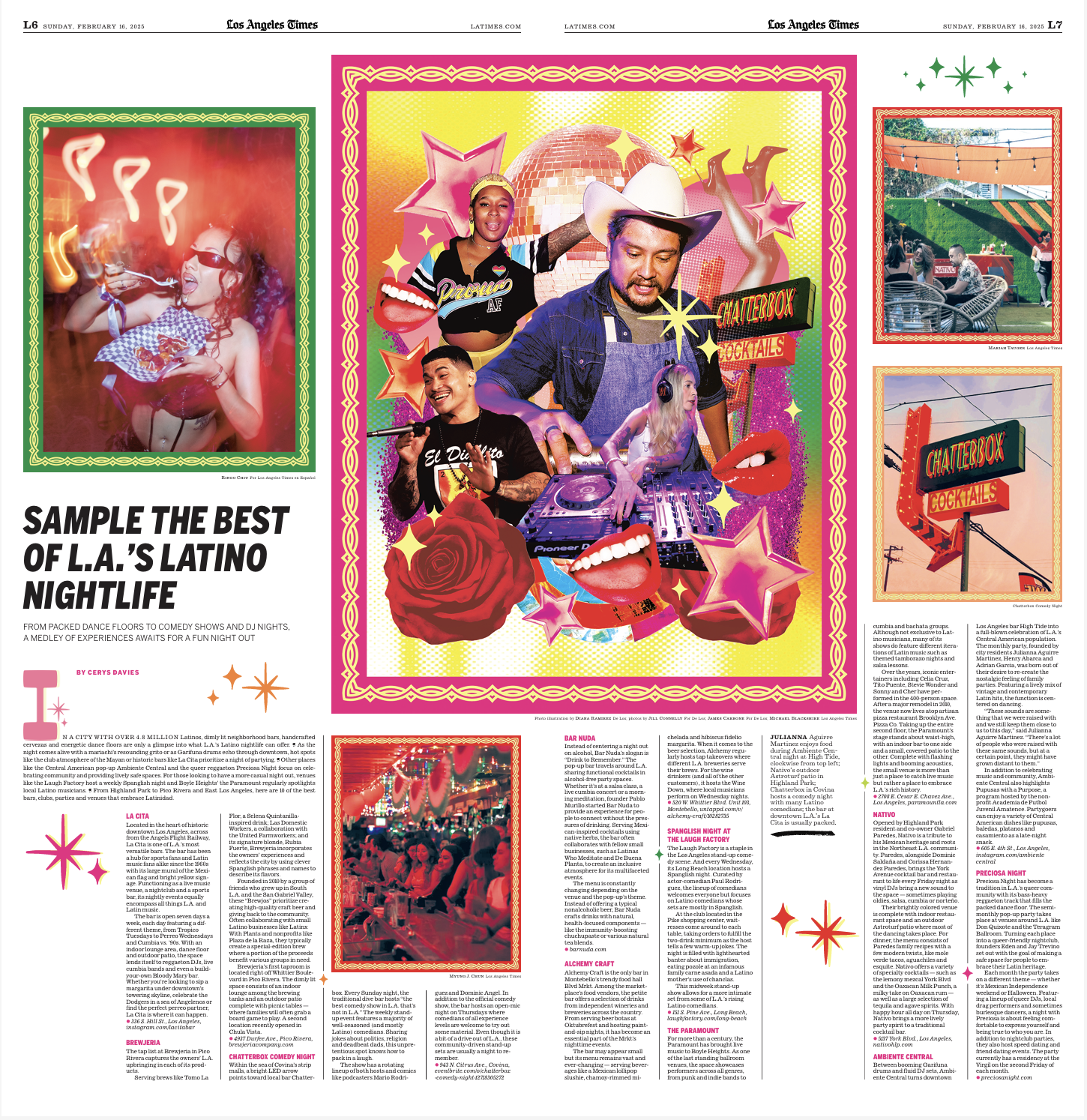
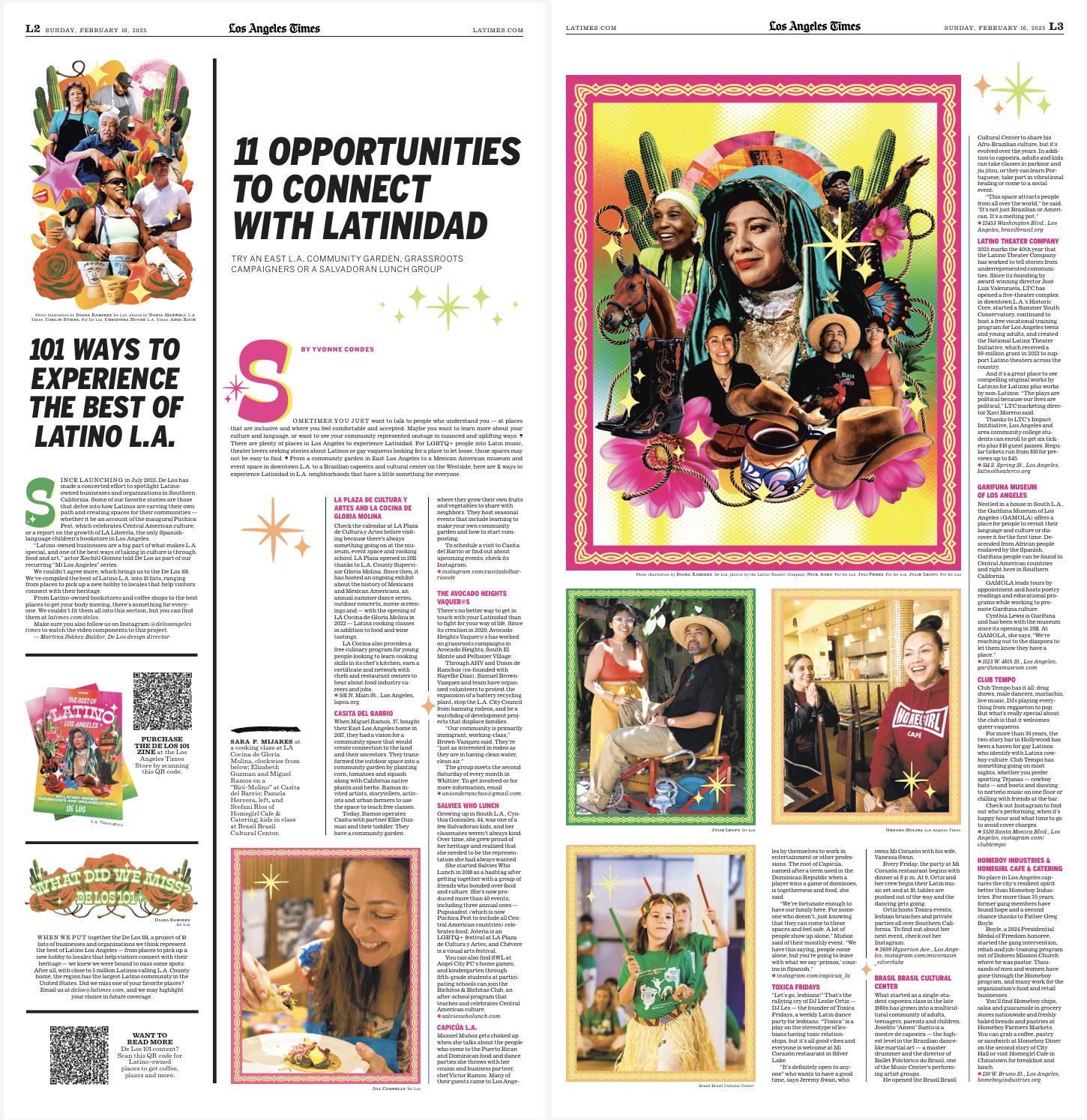
I find this really interesting, especially considering how heterogeneous the Latino community in Los Angeles is, including different age groups and generations. Did you primarily focus on a specific target audience within the community?
Our target audience is English-speaking Gen Z Latinos. When we launched three years ago, there were 2.8 million English-dominant Millennial and Gen Z Latinos in L.A. 52% of Angelenos under 30 were Latino. 75% of the Millennial and Gen Z Latino market in L.A. was English-language dominant. We know this is a huge growing demographic and not many outlets are speaking to them yet.
The Latino community in Los Angeles and in the U.S. is very heterogeneous, and that’s something we try to reflect in our coverage by hiring writers, illustrators, and video creators of all sorts of different backgrounds. We’ve written about Black-Latinos, Asian-Latinos, Mormon-Latinos. There are endless stories to tell within the Latino diaspora.
Sed diam nonumy eirmod tempor invidunt ut labore et dolore magna aliquyam erat, sed diam voluptua. At vero eos et accusam et justo duo dolores et ea rebum.
Stet clita kasd gubergren, no sea takimata sanctus est Lorem ipsum dolor sit amet. Lorem ipsum dolor sit amet, consetetur sadipscing elitr, sed diam nonumy eirmod tempor invidunt ut labore et dolore magna aliquyam erat, sed diam voluptua. At vero eos et accusam et justo duo dolores et ea rebum. Stet clita kasd gubergren, no sea takimata sanctus est Lorem ipsum dolor sit amet.
Do you think your work could be scaled to other ethnic groups, and if so, how? This seems especially relevant in Germany, where many media organizations struggle to effectively engage audiences from migrant communities — such as the roughly three million people with Turkish migration backgrounds living here.
I definitely think so. People crave storytelling about their communities that are told by people from their community. So often news outlets have been writing stories by white people for white people, L.A. Times is no different. At De Los we make it a point of not italicizing Spanish words, we assume our audience knows basic Spanish. And we don’t need to explain our traditions to them like Dia De Los Muertos. This is Latino storytelling by Latinos, for Latinos — we are writing to our audience, not explaining them to others.
I’ve always perceived De Los very much as a brand that is strongly focused on Instagram as its primary channel. At the same time, I see that you produce a lot of print stories for this audience. How do you organize your visual work across these different channels? Do you work with generalists across media, or is your team structured more by channel to deliberately build and apply specific expertise?
We’re a small team! Besides me we have one full-time art director on staff. Having a strong visual language helps translate our brand across platforms. Instagram is our primary focus because we know that's where our young audience is. But we love opportunities to explore reaching our audience through other mediums. We’ve produced a handful of zines, merch, guerrilla street campaigns. When De Los stories appear in the L.A. Times print sections, we work with the Times’ print designers to translate the De Los brand while still honoring the Times’ legacy design style.
Art direction for “Hollywood's Latino Culture Gap”:
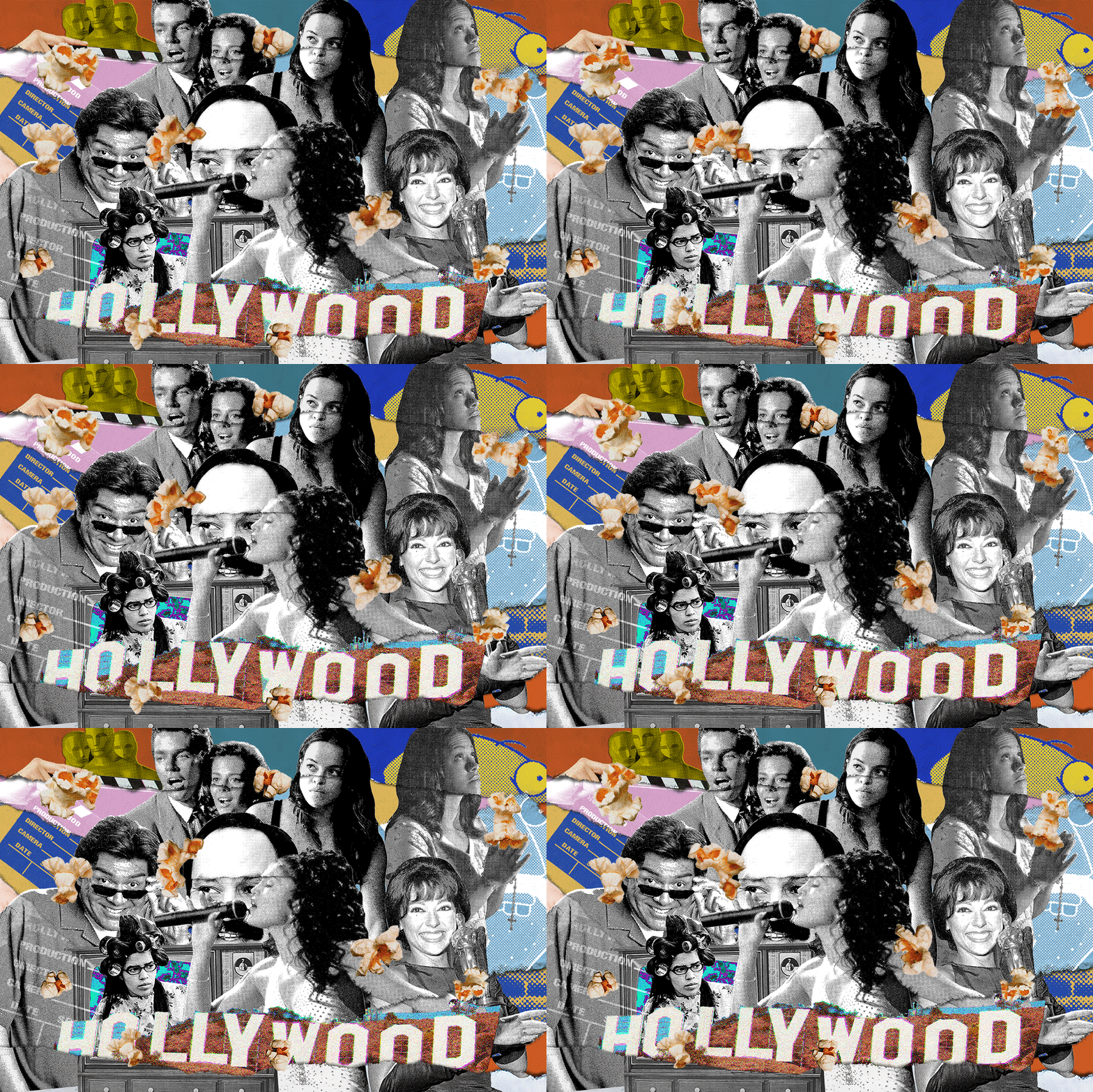
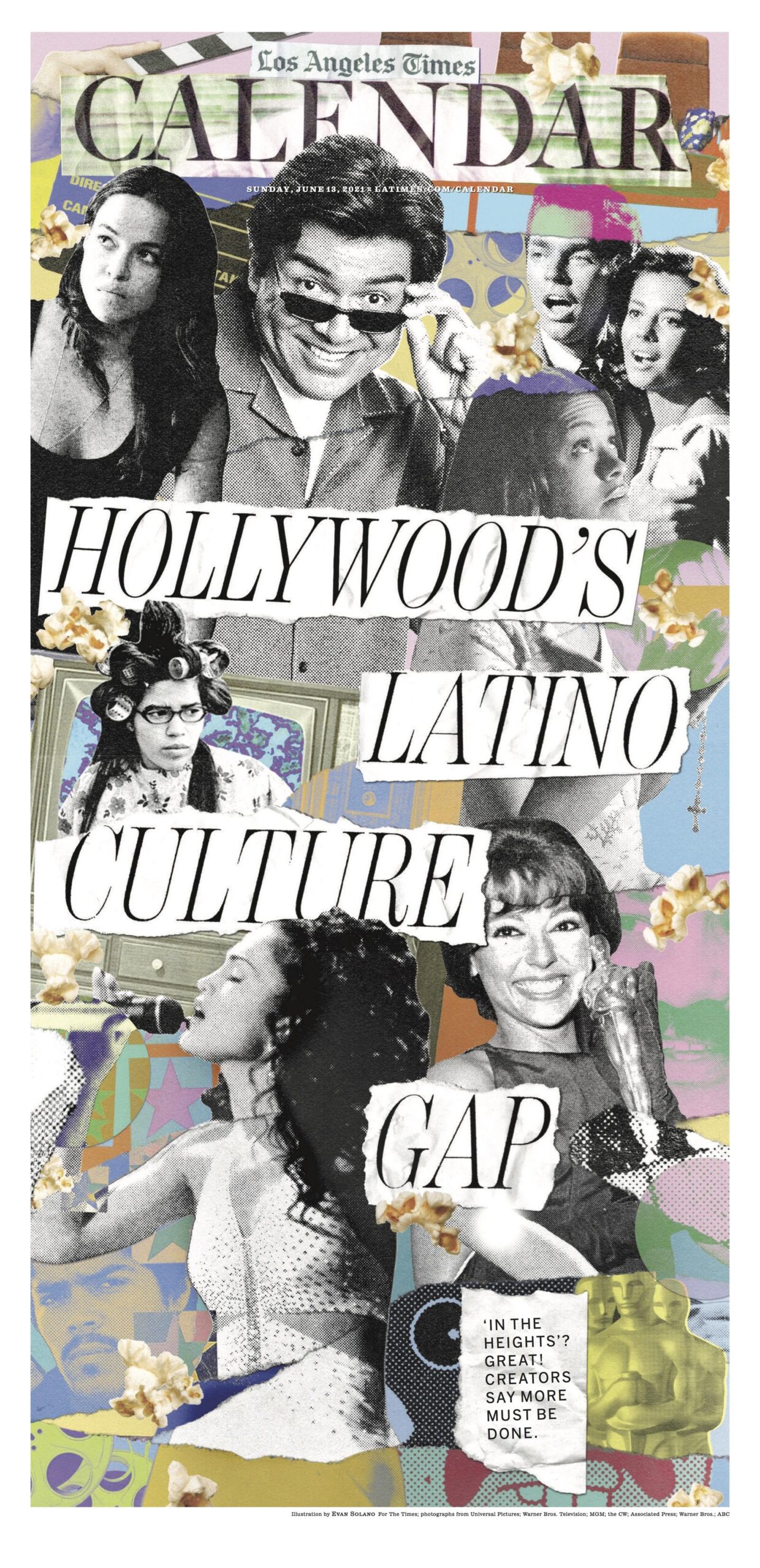
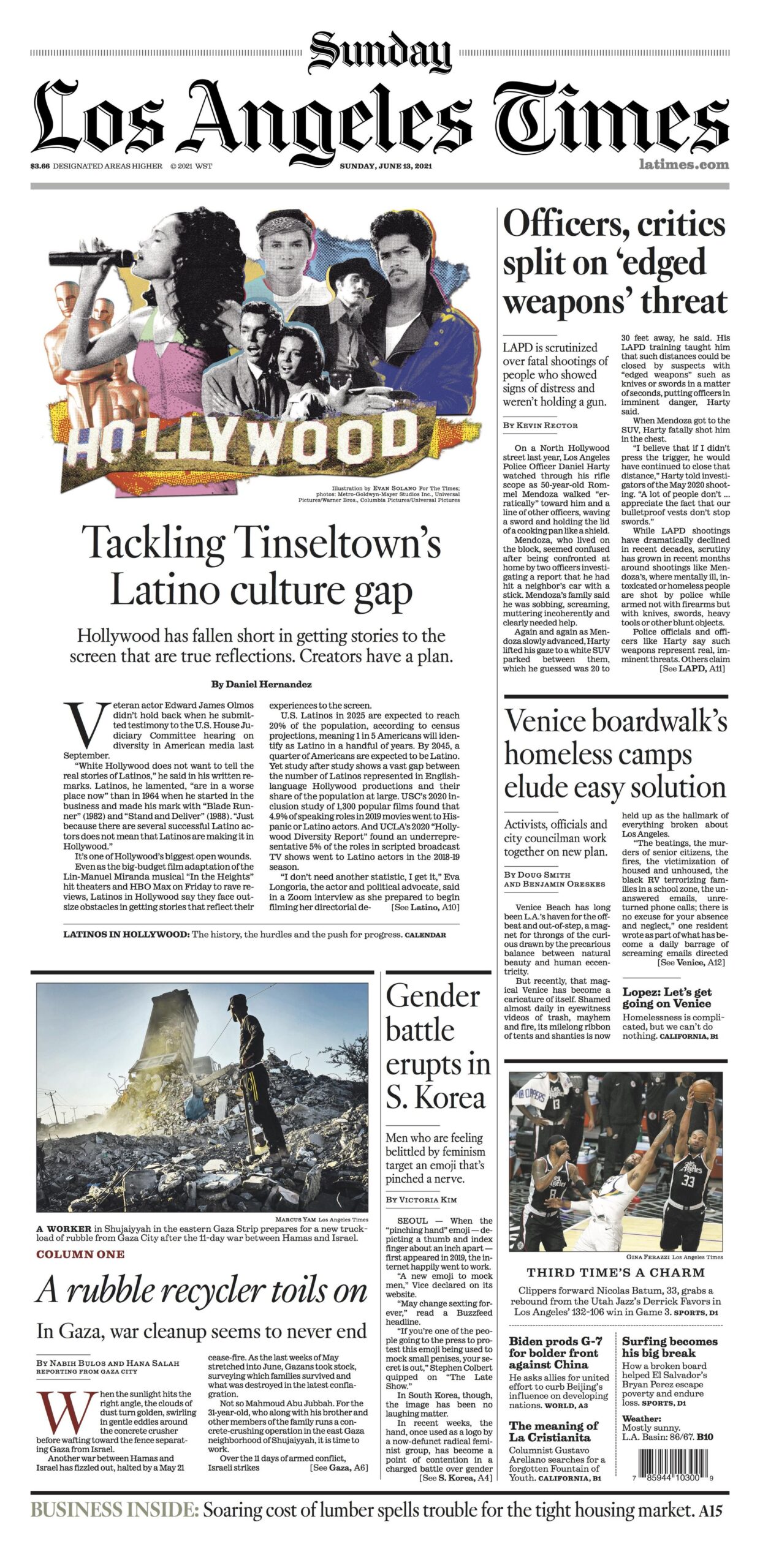
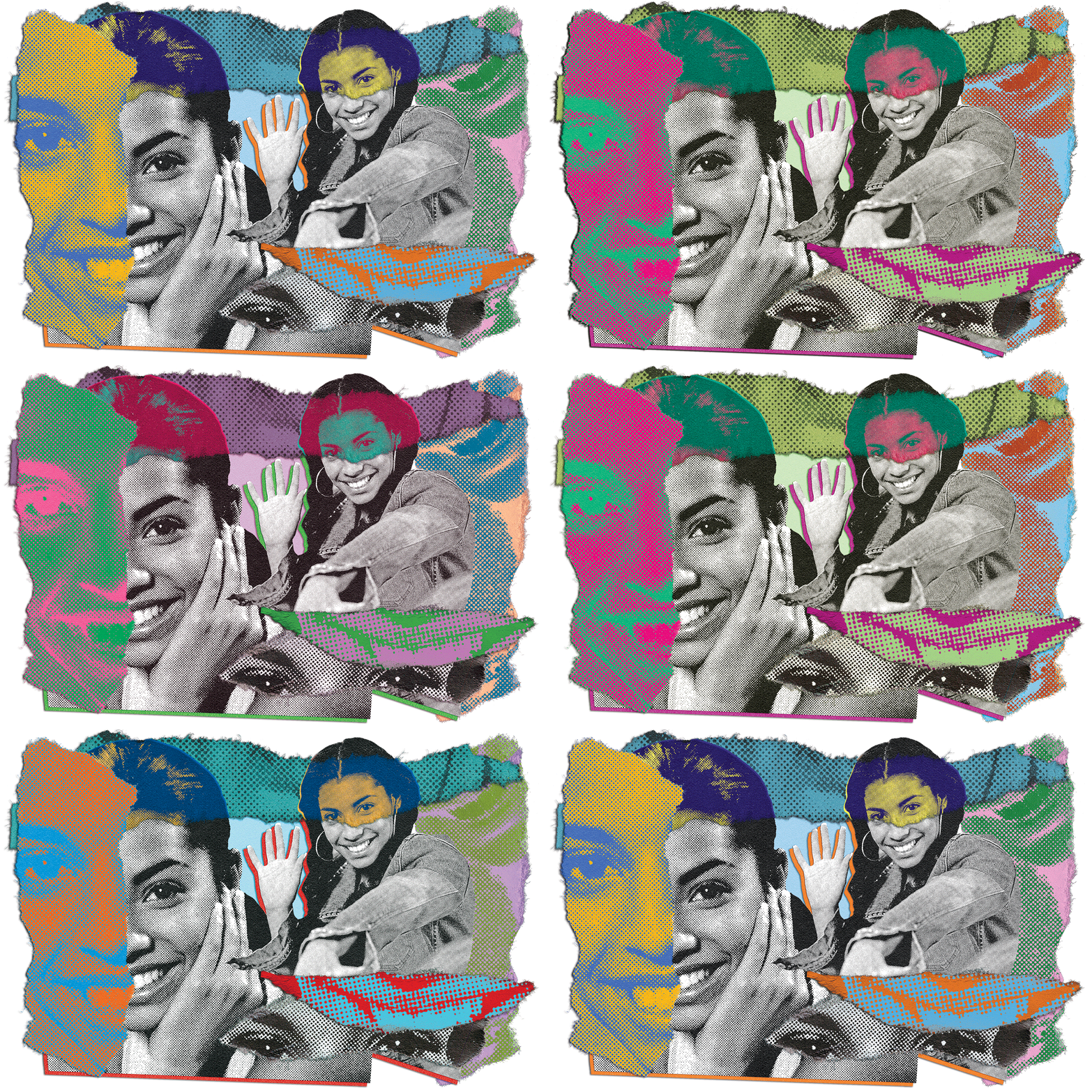
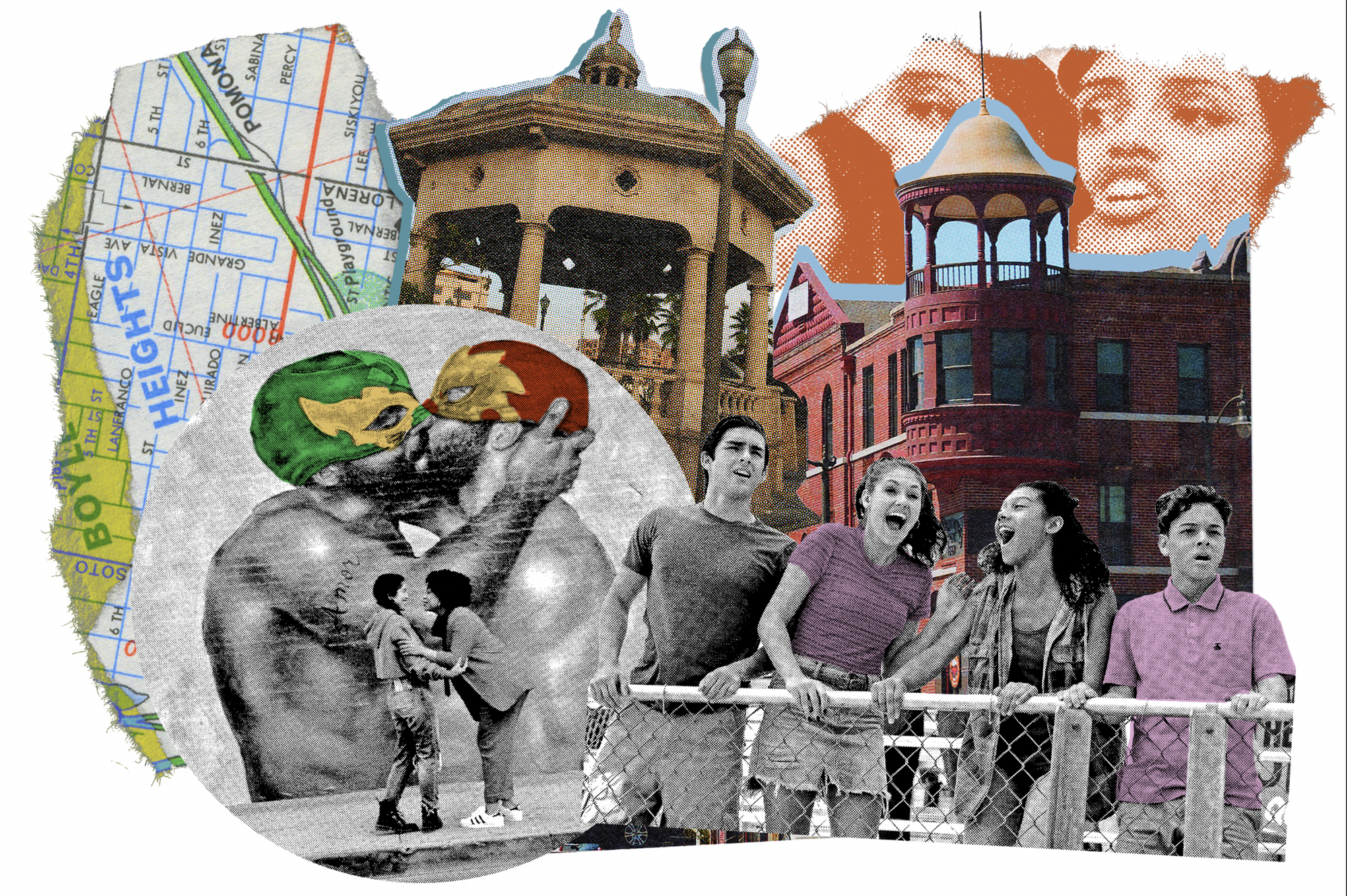
How large is your team overall at the Los Angeles Times when it comes to all visual disciplines?
The design department at the Times has around 20 people who work across sections in print and digital spaces. Another department of around five people handles data and graphics visualization. There are around 20 photo editors and photographers in the photo department. And around five people in the editorial video department.
You studied journalism and Spanish — how did you make the transition into visual journalism?
Visuals has always been my passion. I found journalism was a way to professionally be an artist and be in a creative field. I did various graphic design internships while in college and worked as a designer and photographer for my college newspaper. While in school I also fell in love with Spanish literature, art and Latino history. I just somehow got lucky that I ended up in a job that allows me to combine all these passions into one.
Many news organizations around the world are under significant financial pressure. At the same time, user habits are becoming increasingly visual, and even older audiences now primarily consume news video content on platforms like YouTube. Yet many media organizations seem to be cutting back precisely on visual storytelling. What is the situation like at the Los Angeles Times? Do you measure the impact of your visual work—and if so, what are your primary KPIs? Subscriptions? Time spent?
I believe we have gotten lucky at the Times that our past couple executive editors understand exactly how important visuals are in this day and age. Yet, the Times and De Los have faced layoffs over the years that have affected visual journalists. De Los is also in a unique position where we have secured outside funding for our project that allows us a little bit of breathing room outside of the financial pressures of the newsroom.
Before you took over De Los as Art Director, you worked extensively on the LA Times’ Food section. I personally always found the pages very surprising and visually excellent. Did you manage the section on your own, or did you work as part of a team? And how much time did you have per issue?
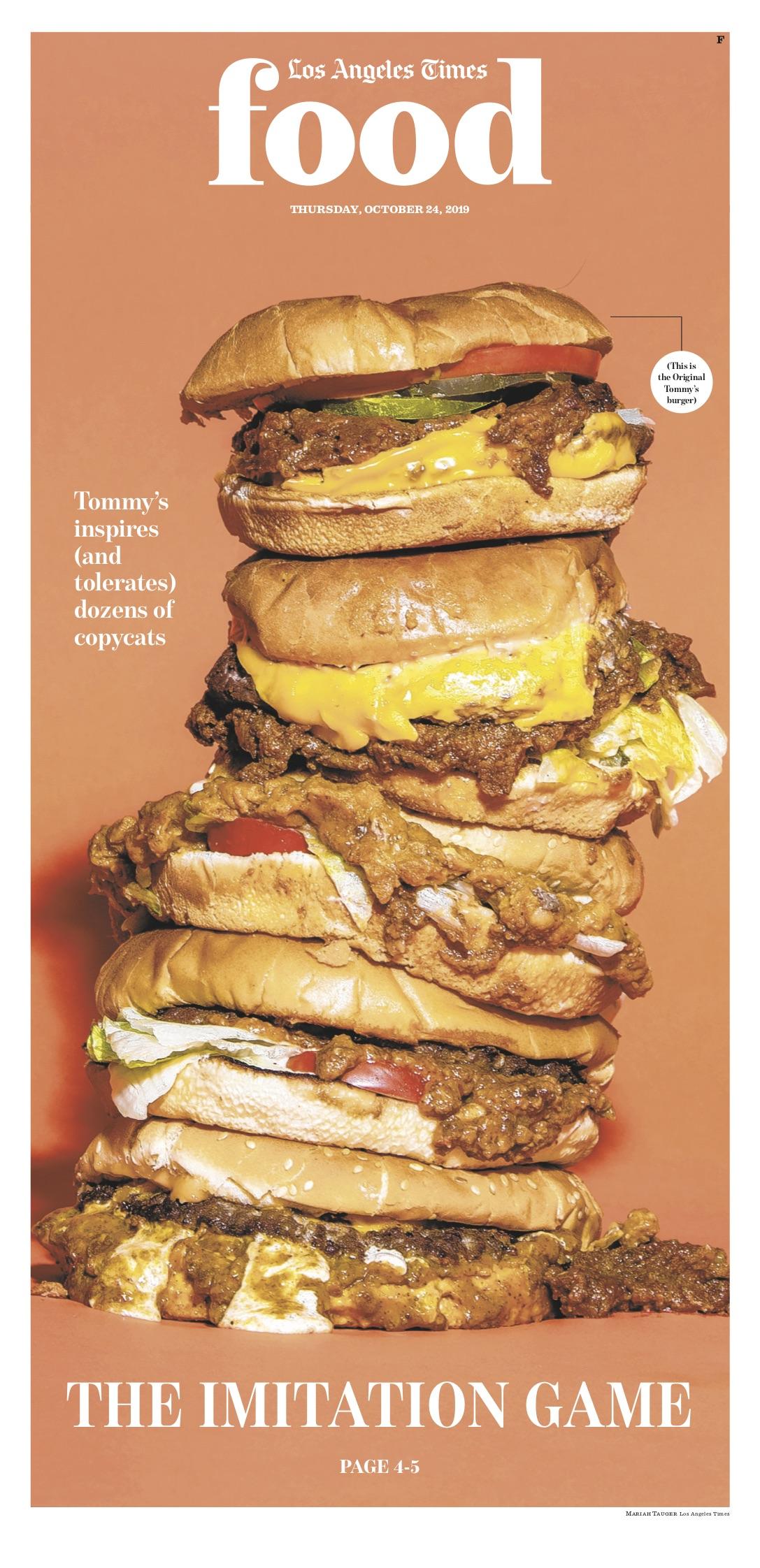
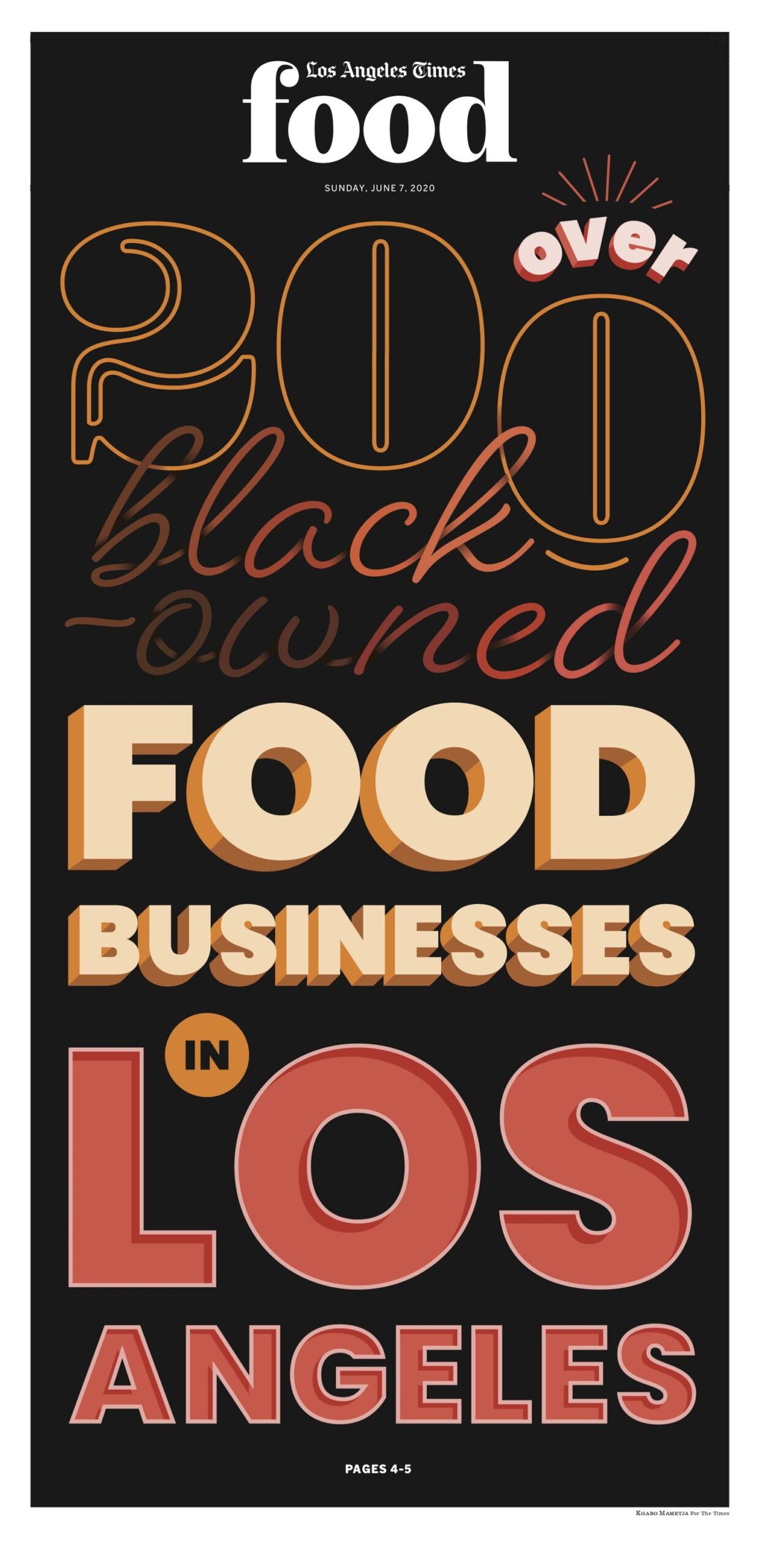
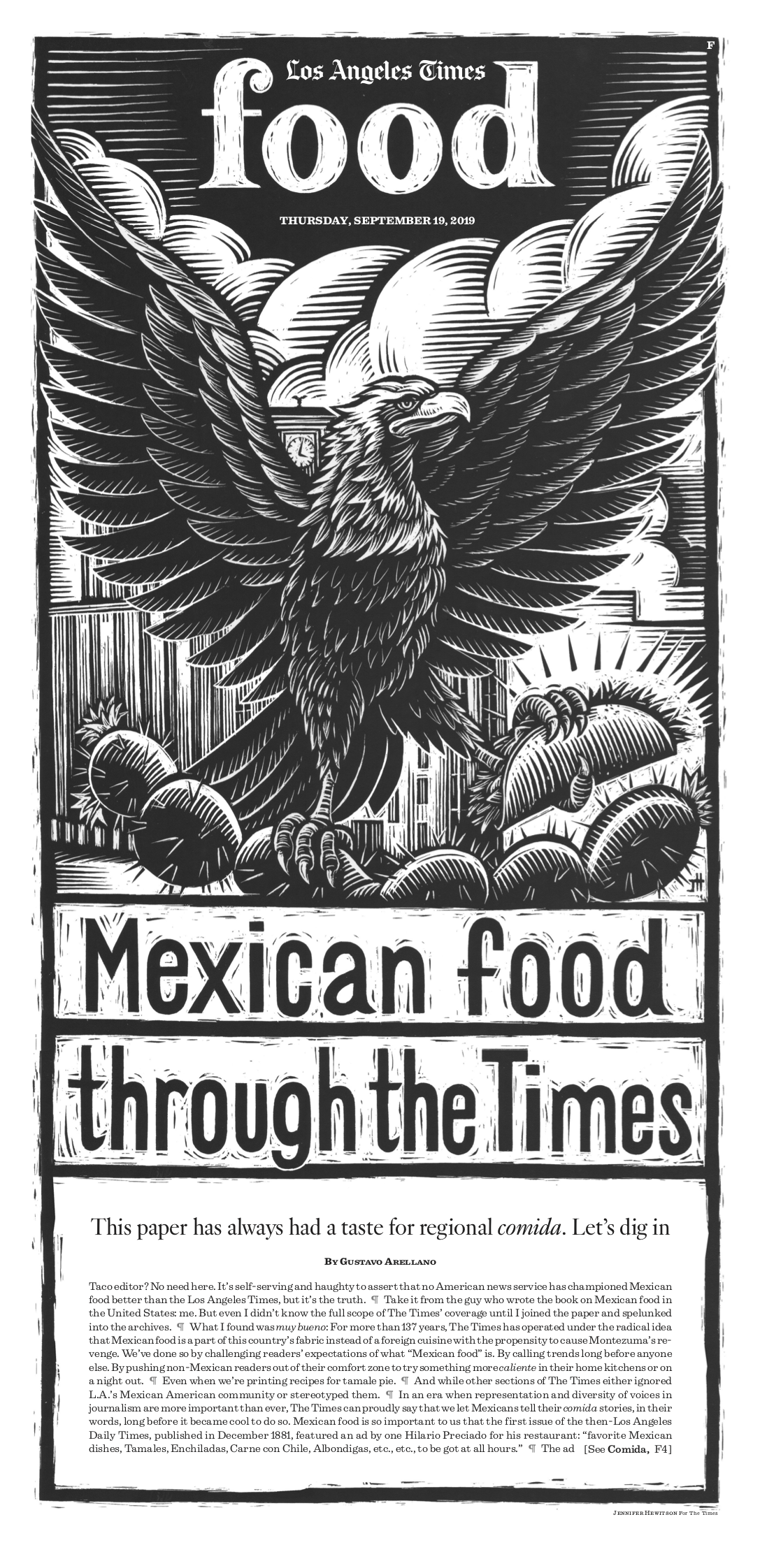
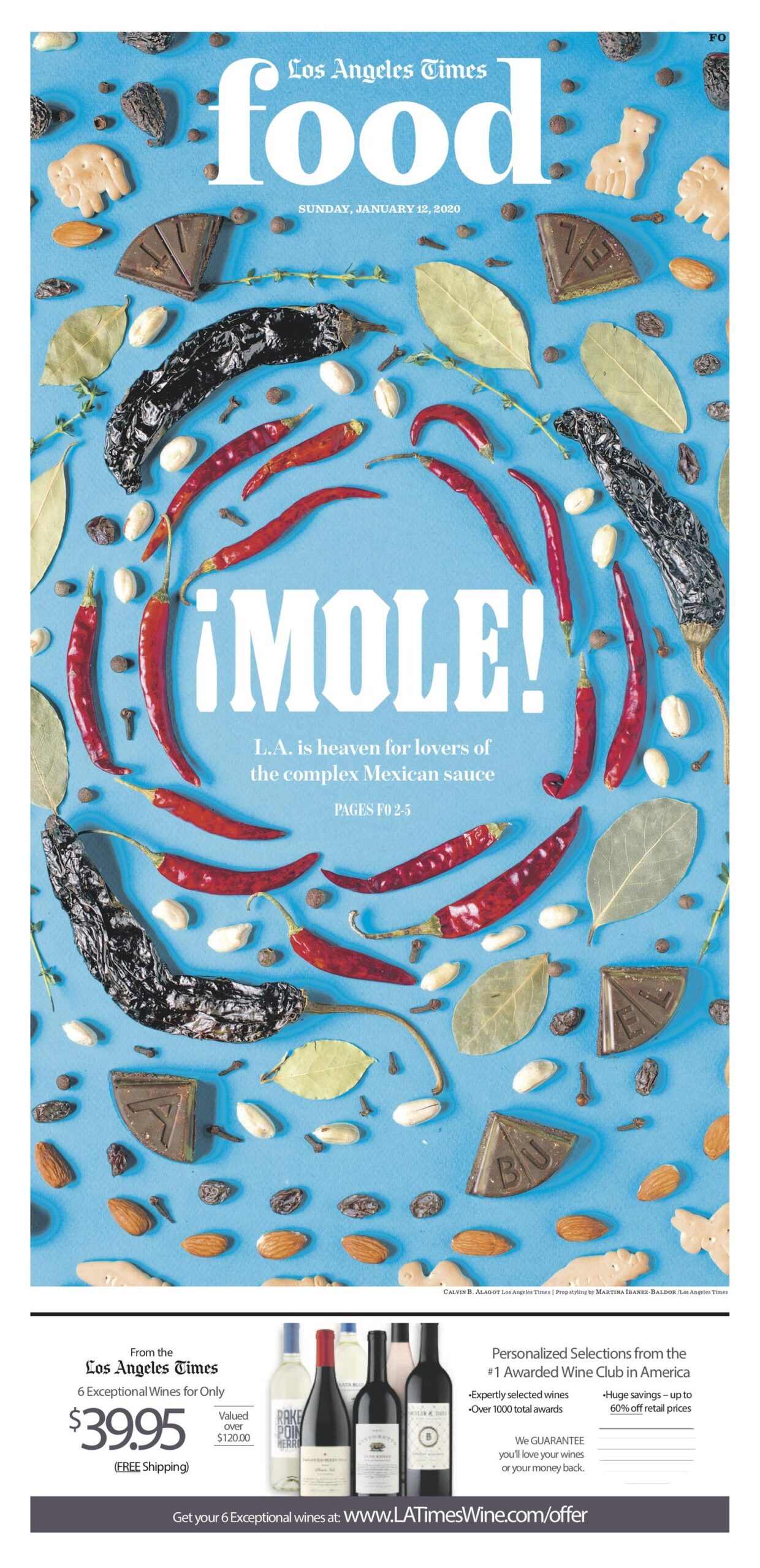
Thank you! Working on the Food section really allowed me to be creative beyond the rigid constraints of the Times’ print section style at the time. I was the art director for that section and worked mostly on my own, seeking feedback from my design editors. I worked with the photo editor to direct shoots and I collaborated with many freelance illustrators. We published one issue a week so I usually had a week to produce the section.
Cover Pages for the L.A. Times Food Section:
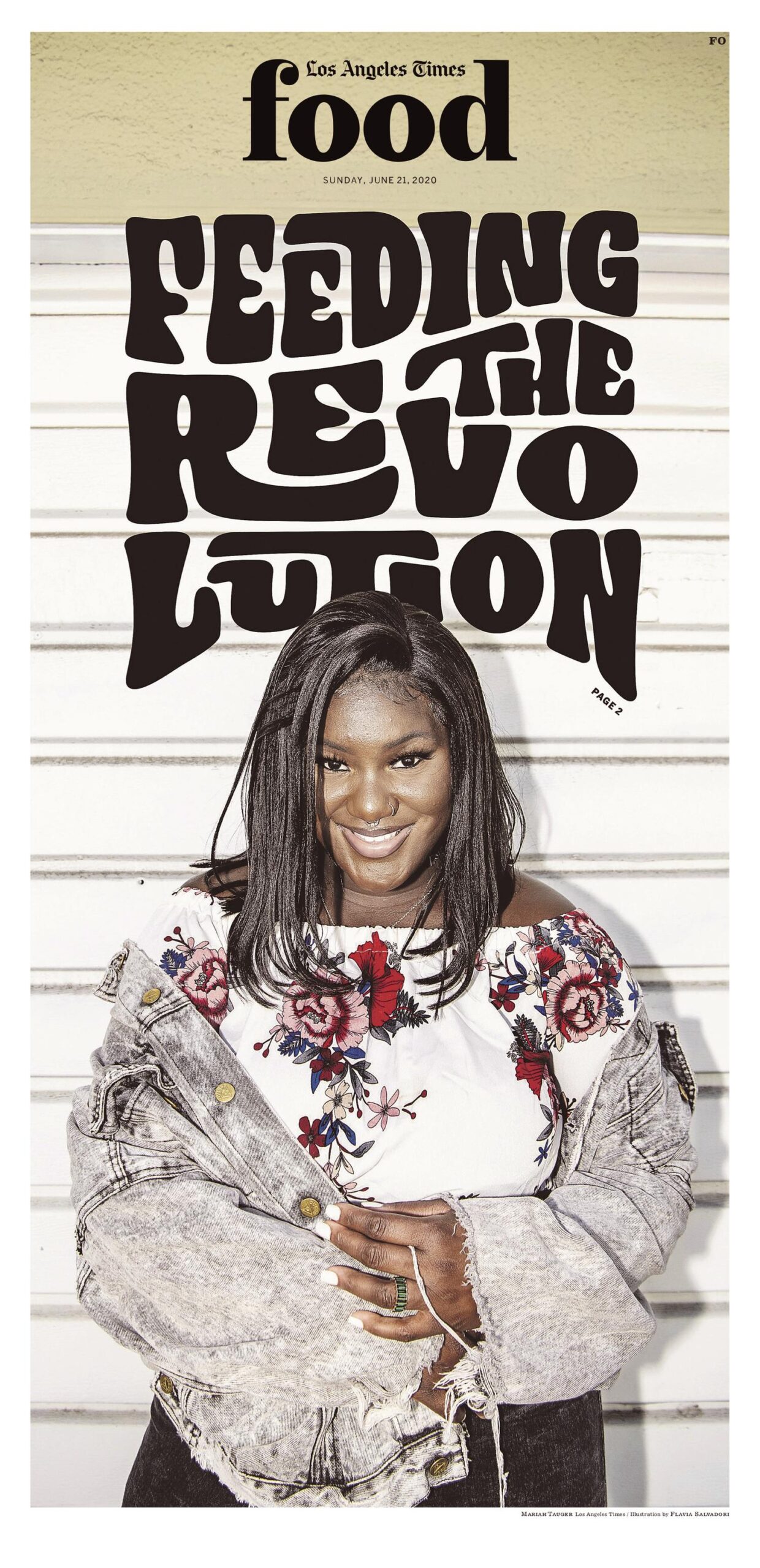
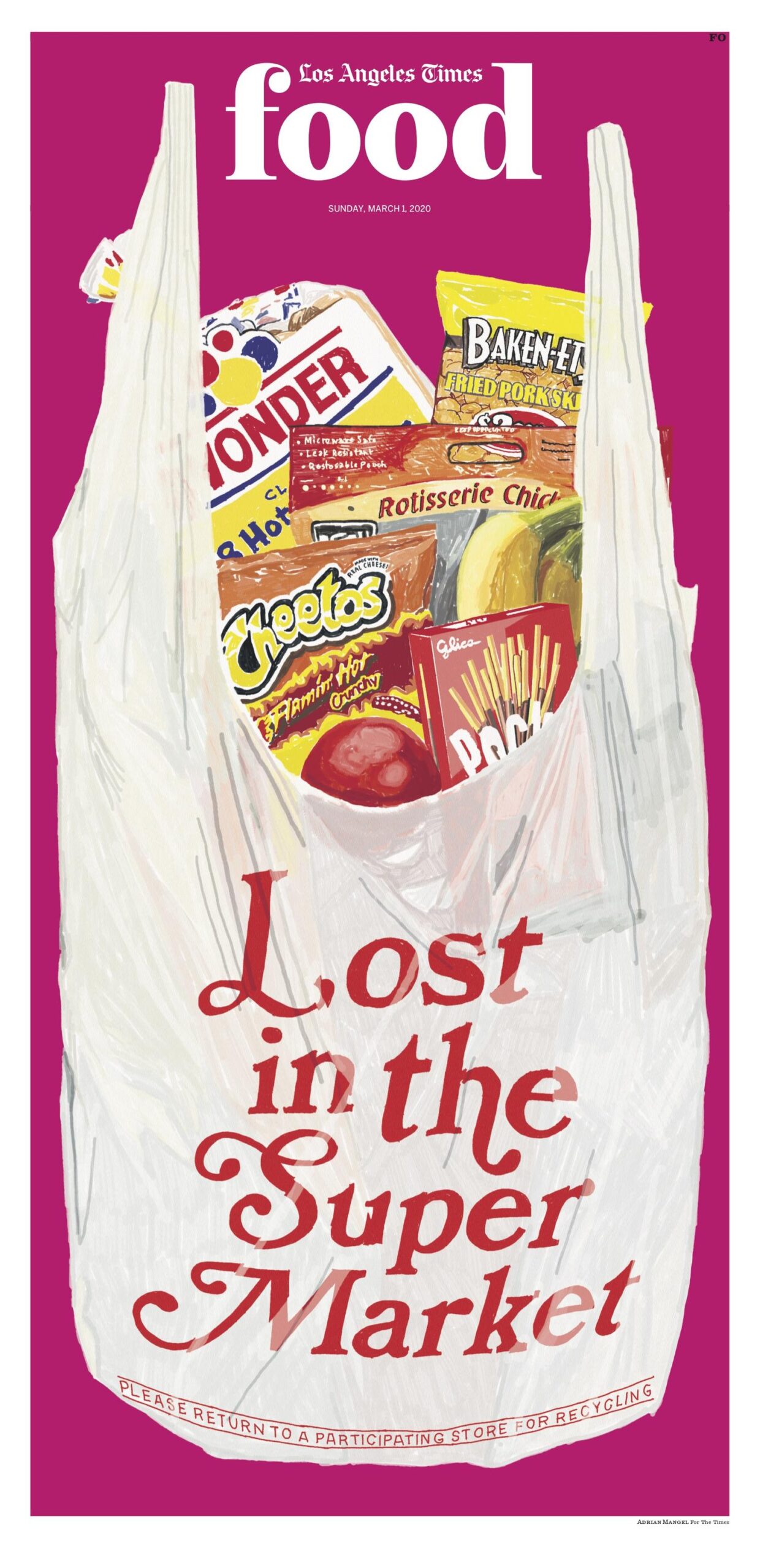
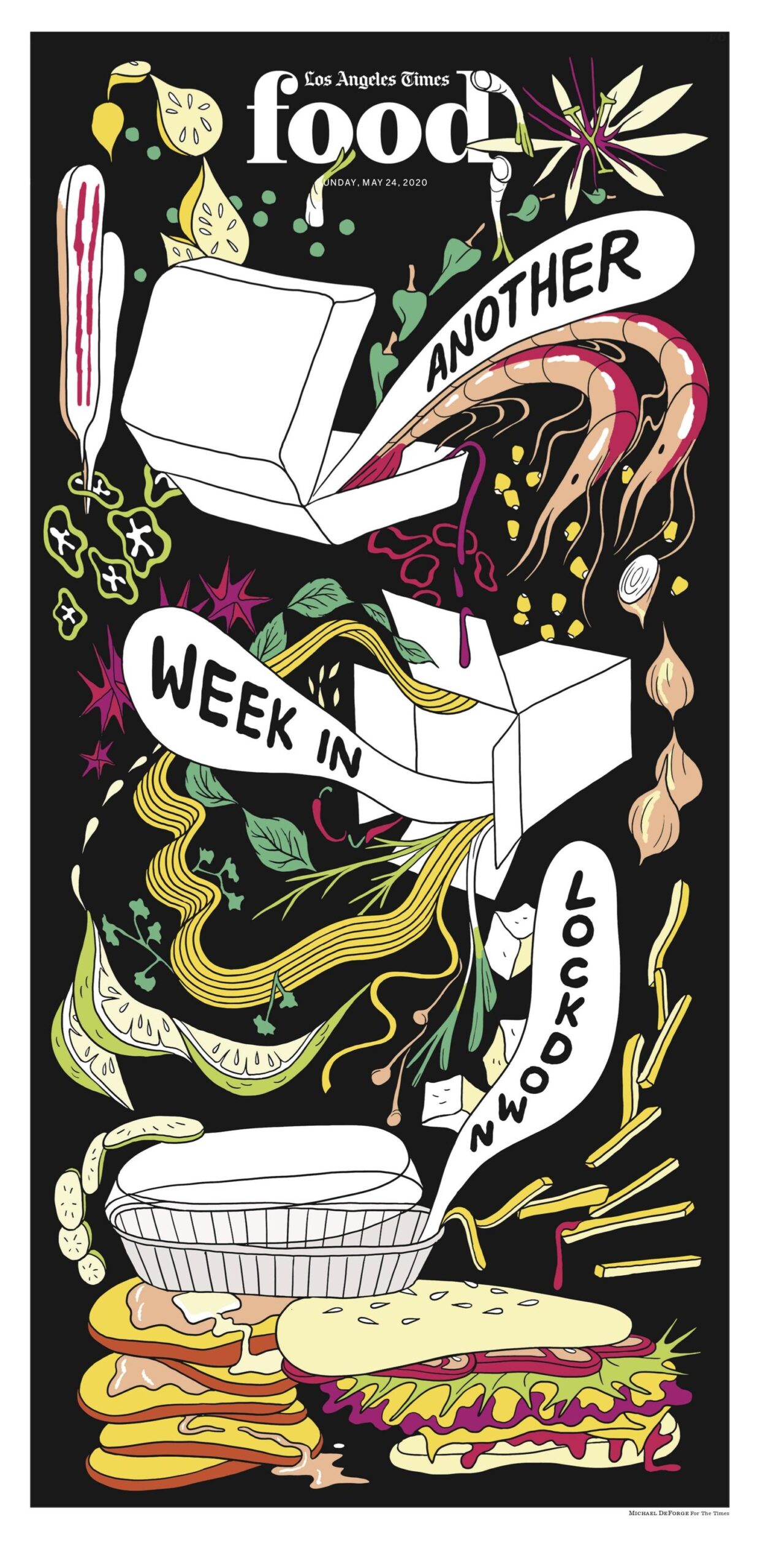
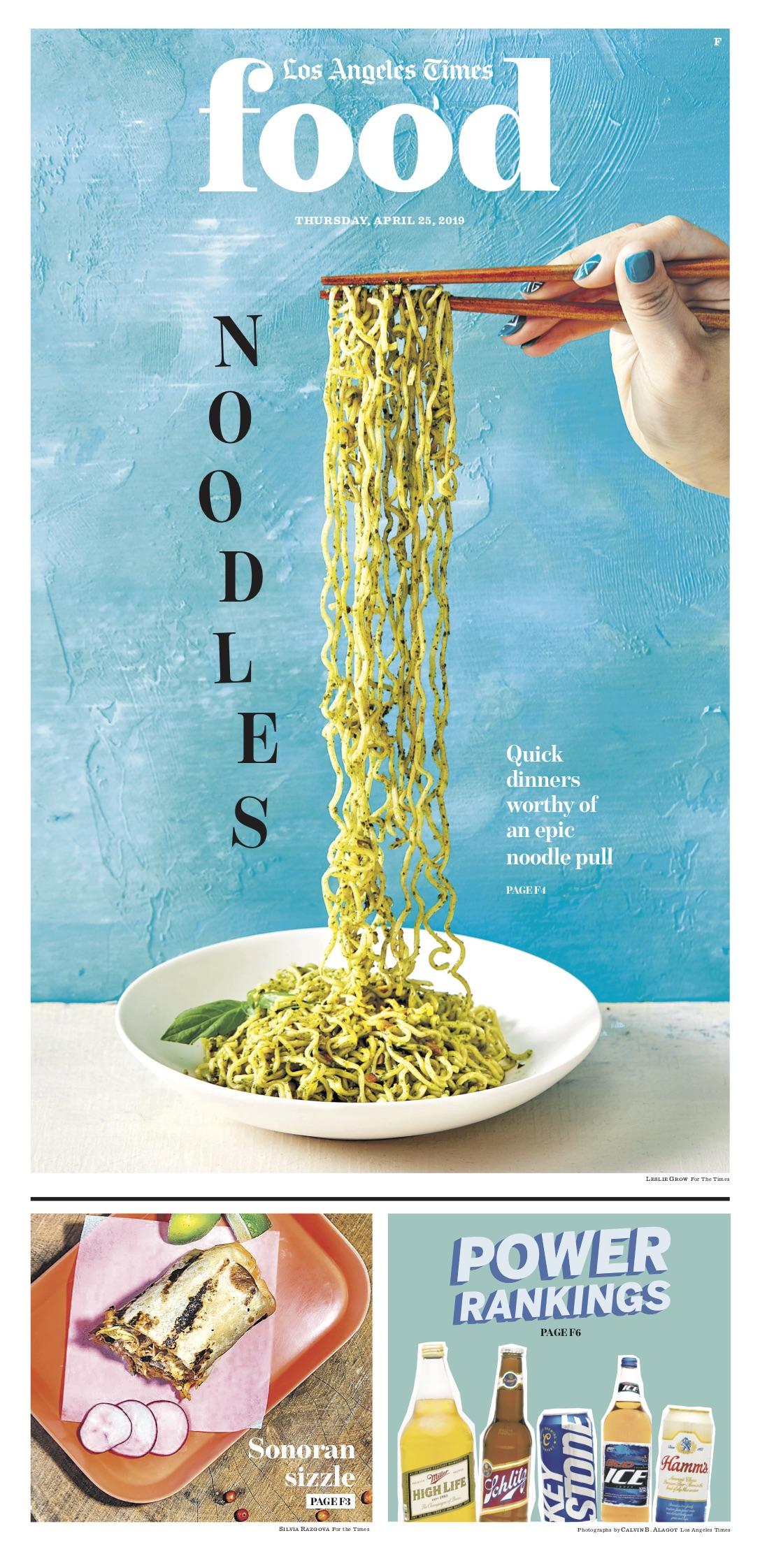
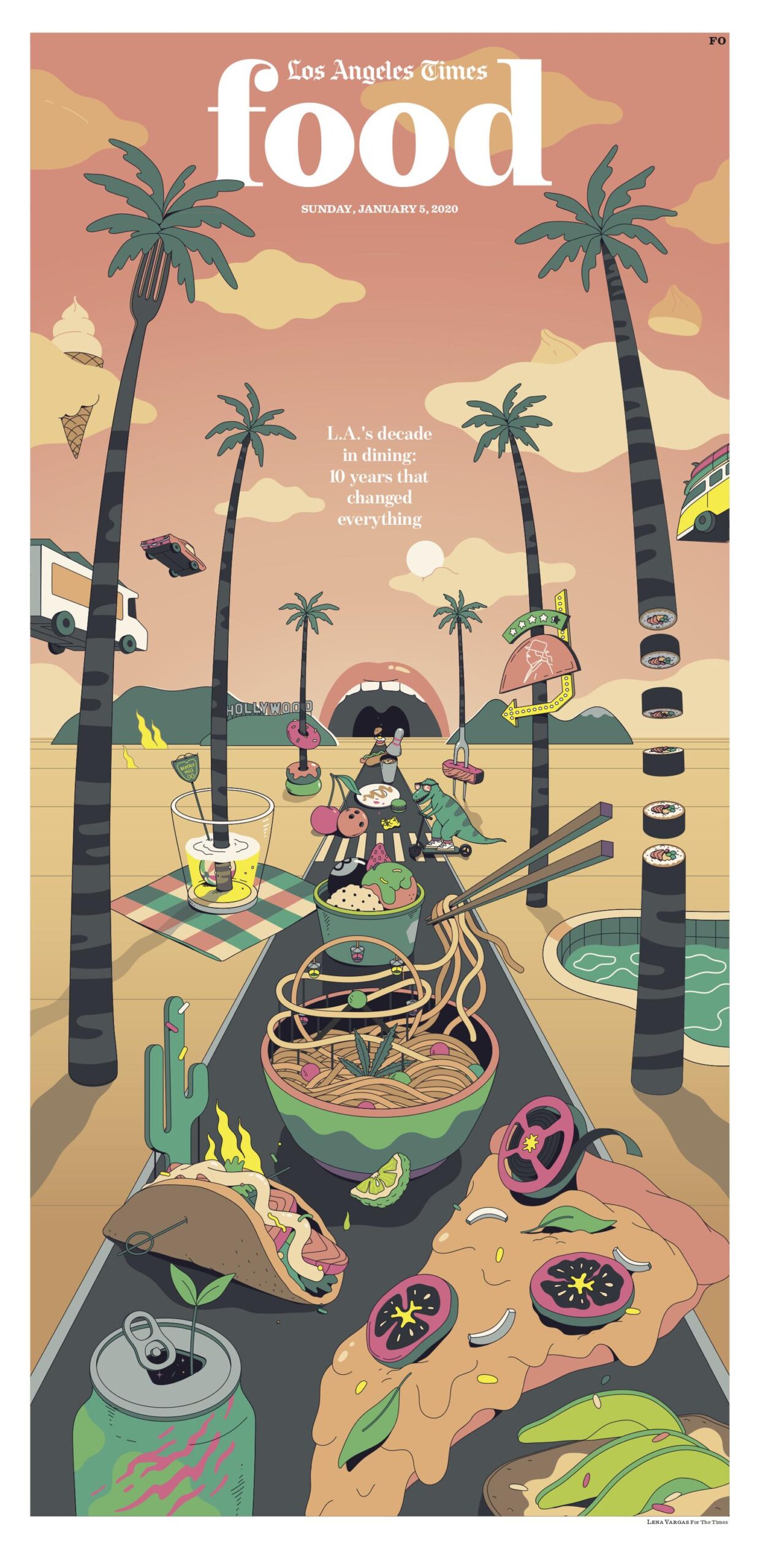
What I found really surprising is that the LA Times has its own Instagram channel dedicated to plants — LA Times Plants. What’s the story behind that?
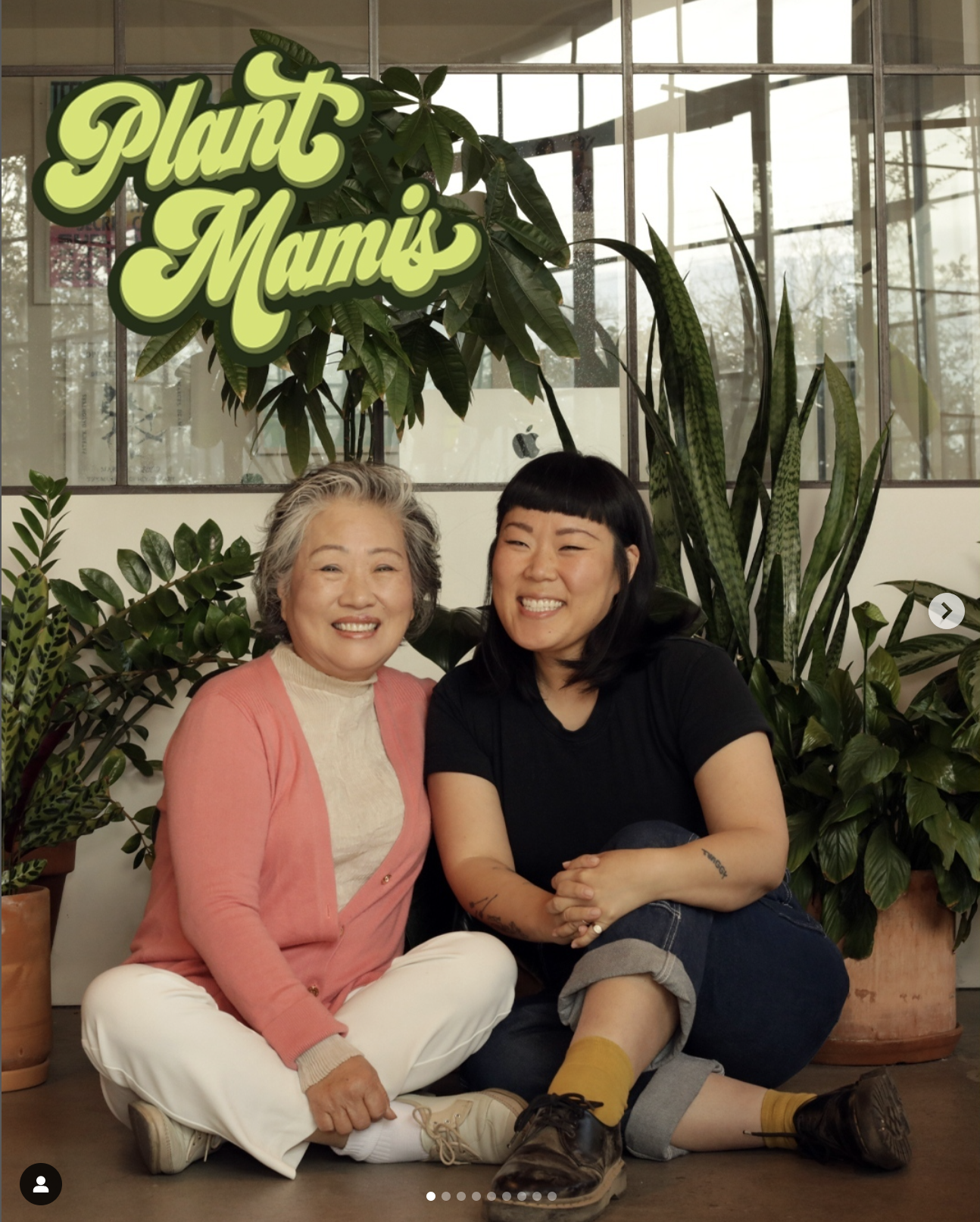
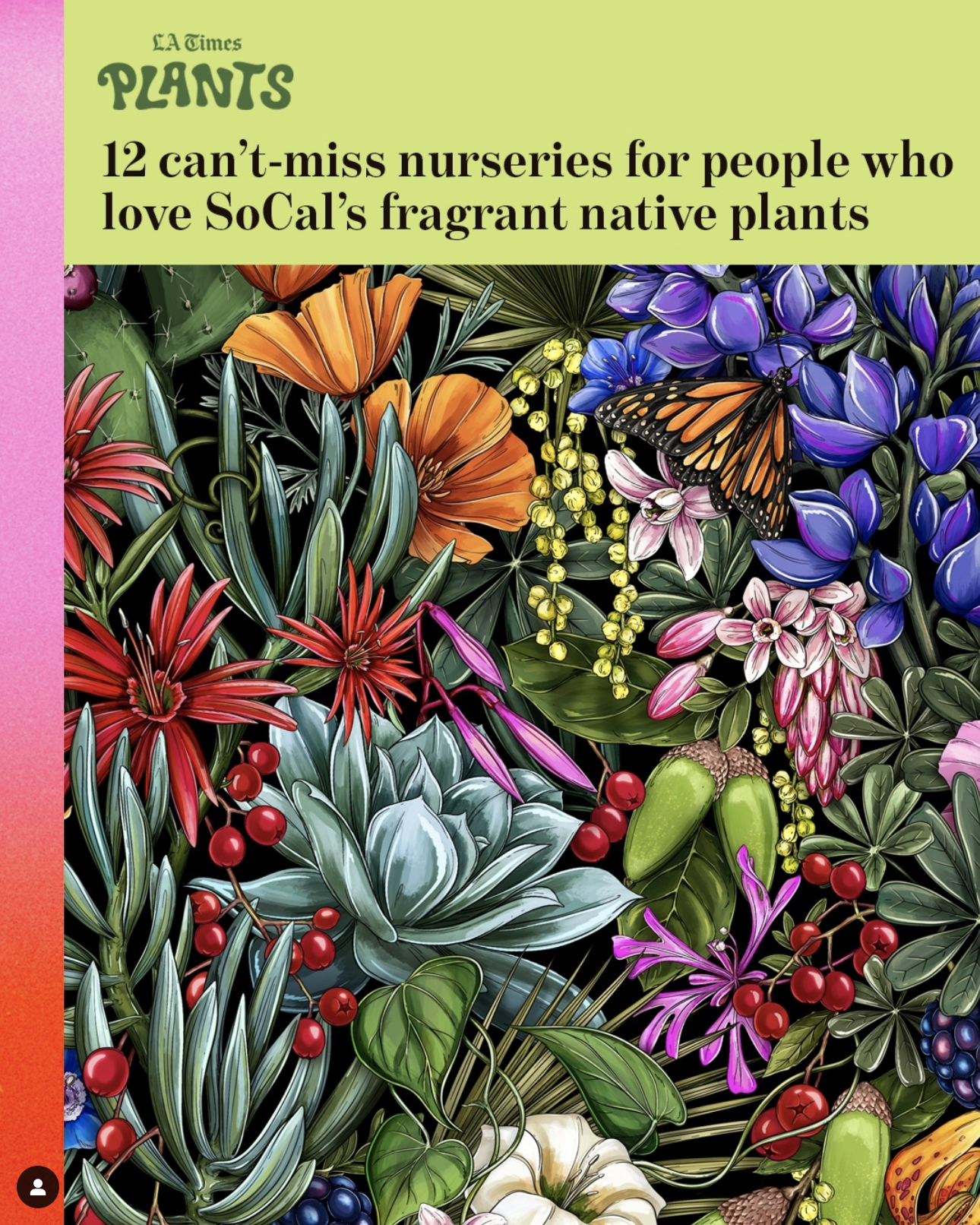
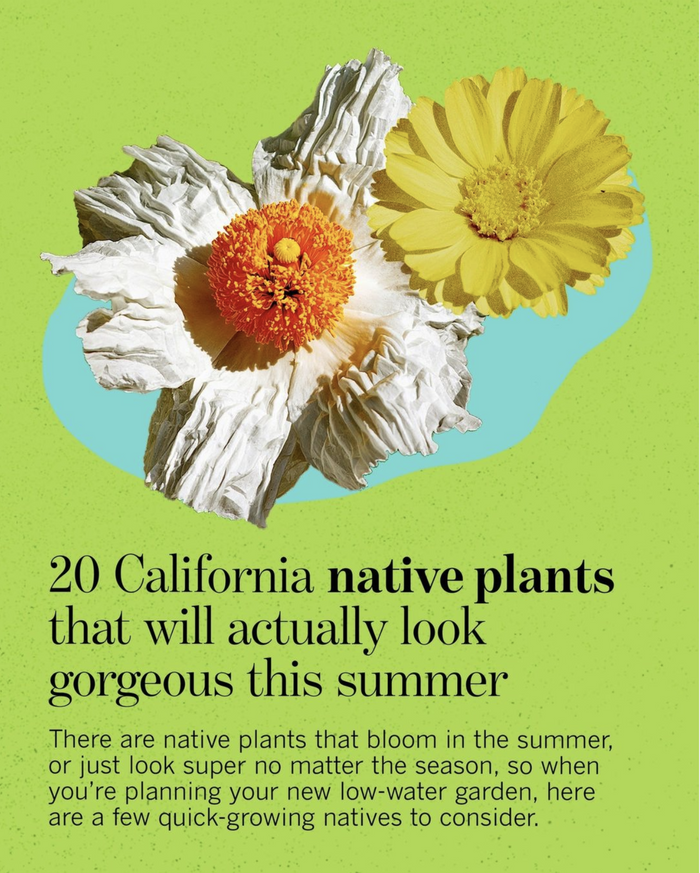
When creative director Amy King joined The Times in 2019 she had recently moved to Los Angeles and was impressed by all the plants. She developed and launched the plant section that same year. I became the lead art director for the section in 2020. The section really flourished during the pandemic when many quarantined people turned to plants as a hobby. Running the section allowed me to explore Instagram design and branding. It also flexed my project conceptualizing skills. I created Plant PPL, a profile series that highlights people of color in the plant world.
Follow Martina on Instagram: @a_martinaibanez